SolicitorLetter.ie

UX Reserach
Product Design
AI Product
Overview
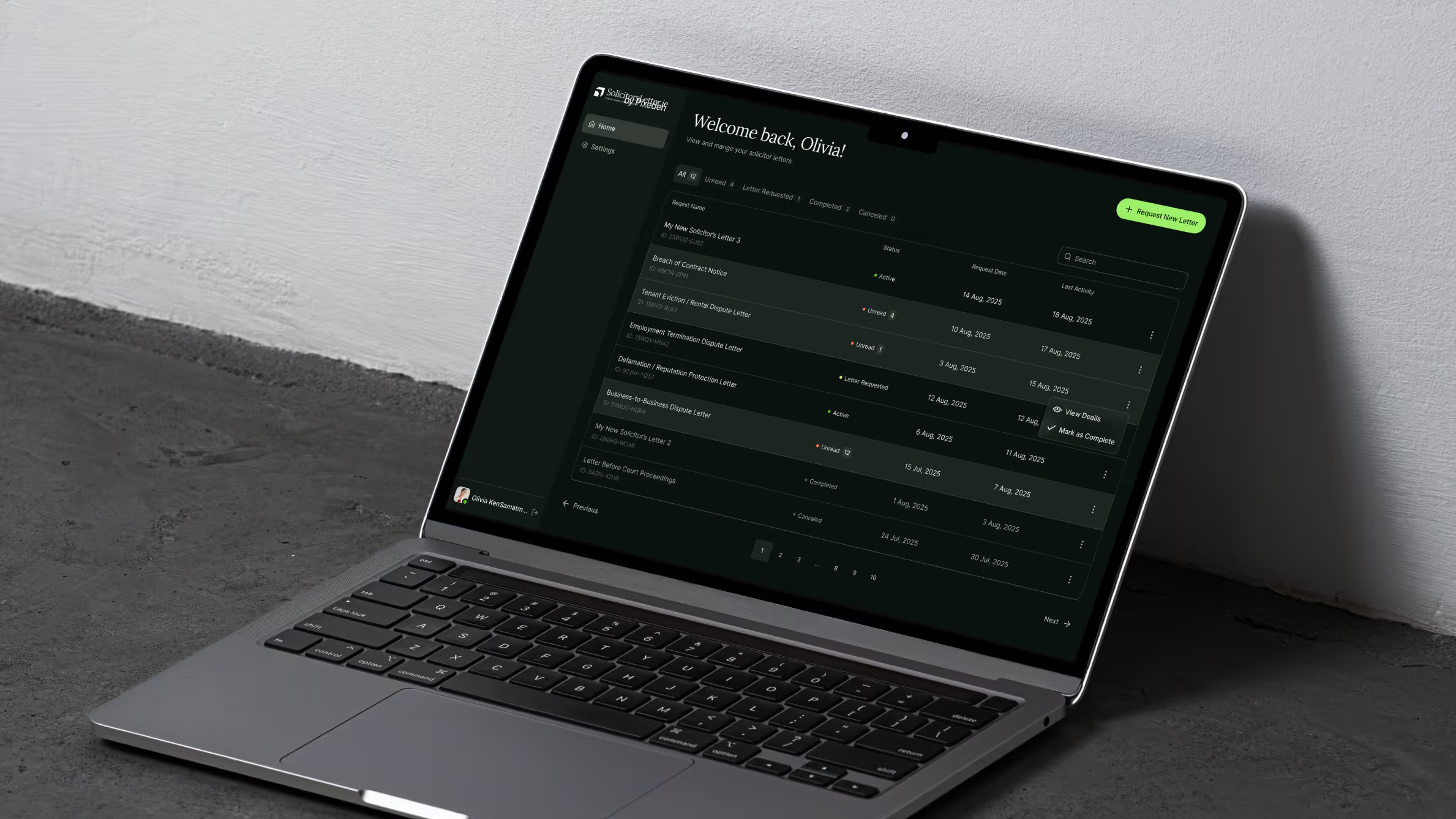
SolicitorsLetter.ie is an AI-powered platform that makes solicitor's letters accessible to everyday people in Ireland. Clients describe their situation through an AI-guided chat, a qualified solicitor then reviews the brief and drafts the letter.

I owned the full design process end-to-end: research, design, branding, usability study, and developer handoff of the entire project.
Year
2025
Plarform
Web App
my role
Product Designer
Brand Designer
Outcome
Designed and delivered a user-tested MVP with a prioritized feature roadmap for the next phase of the platform.
01

PROBLEM & SOLUTION

Problem: Getting a solicitor's letter in Ireland is opaque, slow, and intimidating. Most people don't know how much it'll cost, can't book out of hours, and hesitate to contact a law firm over something that might seem "too small.

"On the solicitor's side, solo practitioners struggle with digital visibility and consistent case flow. Also, their intake process is manual and time-consuming.

Solution: A two-sided platform where clients describe their situation through an AI-guided chat — building a structured case brief automatically. A qualified solicitor then reviews the brief and drafts the letter, with AI assistance. Clients get a clear, fixed-price service. Solicitors get pre-scoped, ready-to-action cases.
02

DISCOVERY

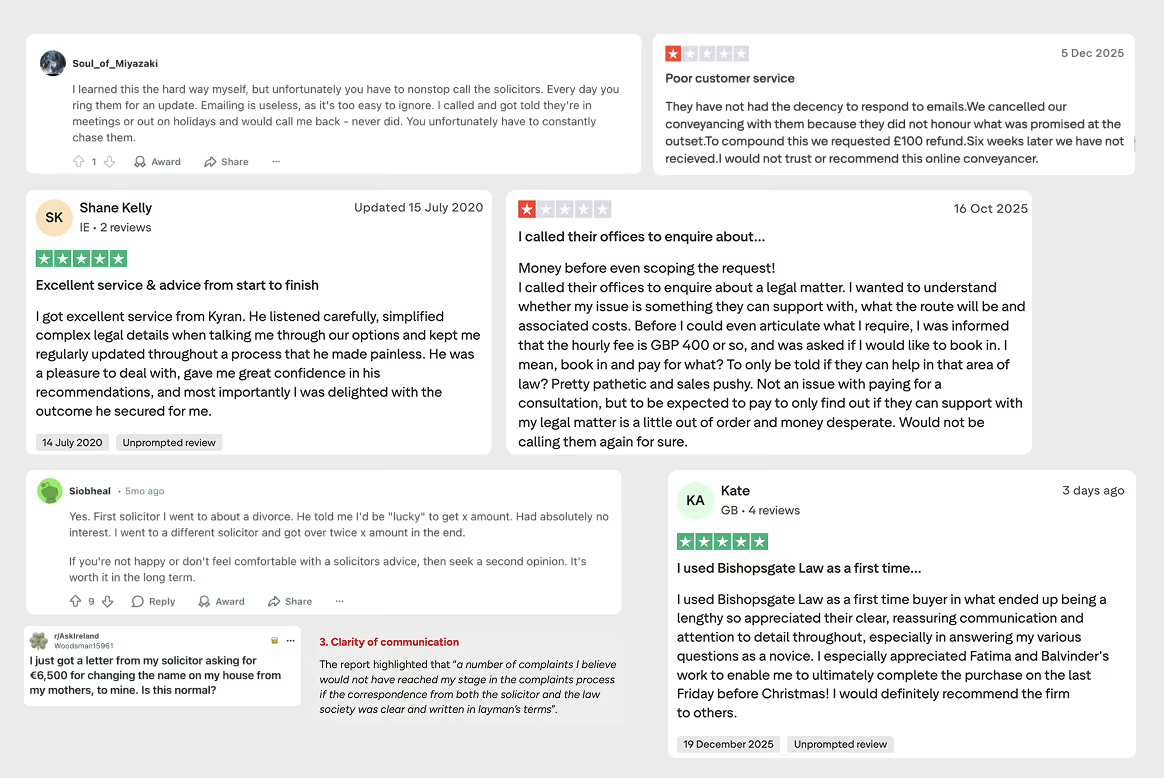
With no budget for formal interviews, I used social listening as the primary research method — analysing pain points from forums, Google reviews of law firms, Reddit threads, and consumer boards in Ireland and the UK. I also gain additional insights from talking to founder who has first hand experience of how solicitors operate in Ireland.

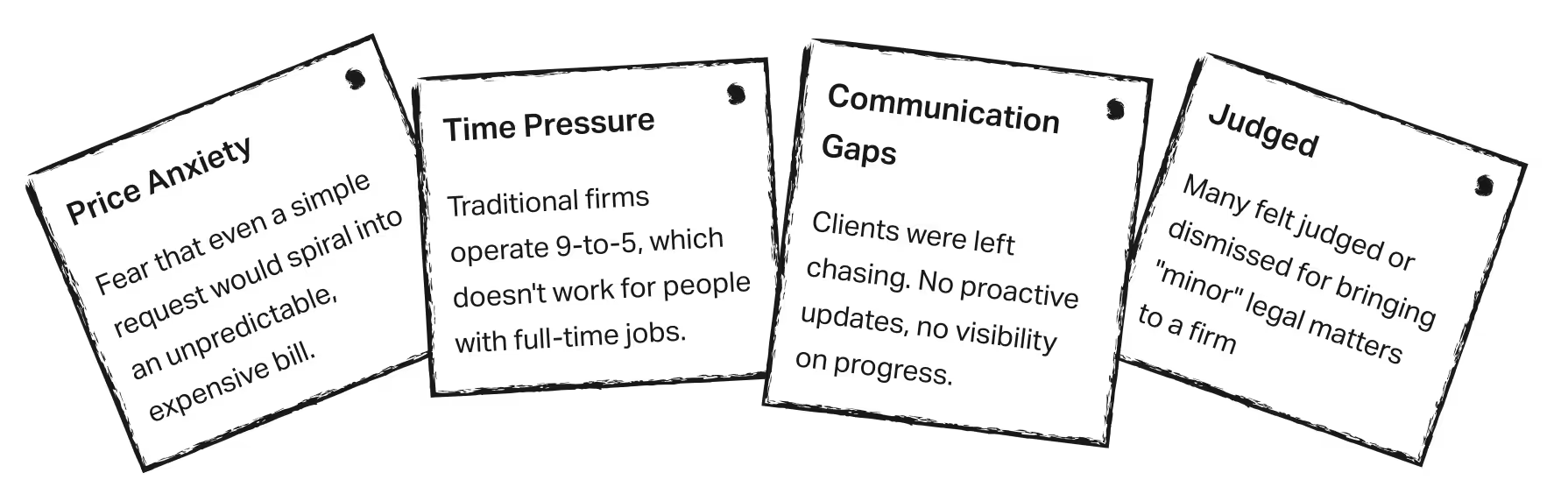
Insights: Client Side

Insights: Solicitor Side
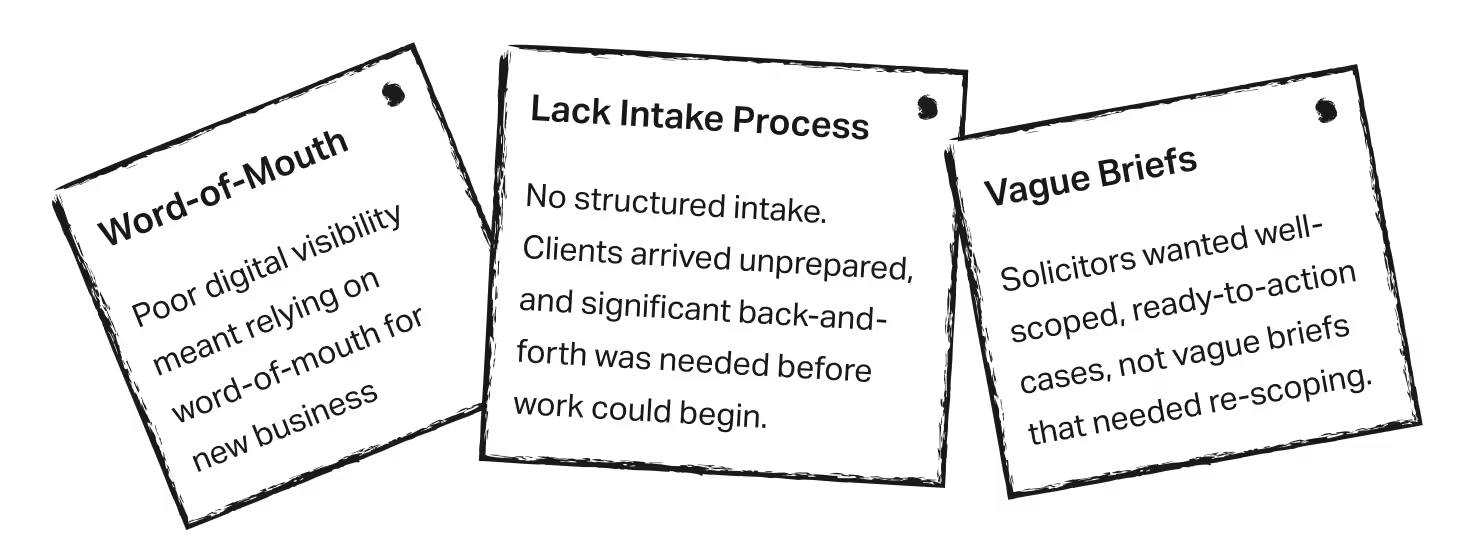
Conducting social listening to uncover pinpoints that both clients and solicitors are facing.
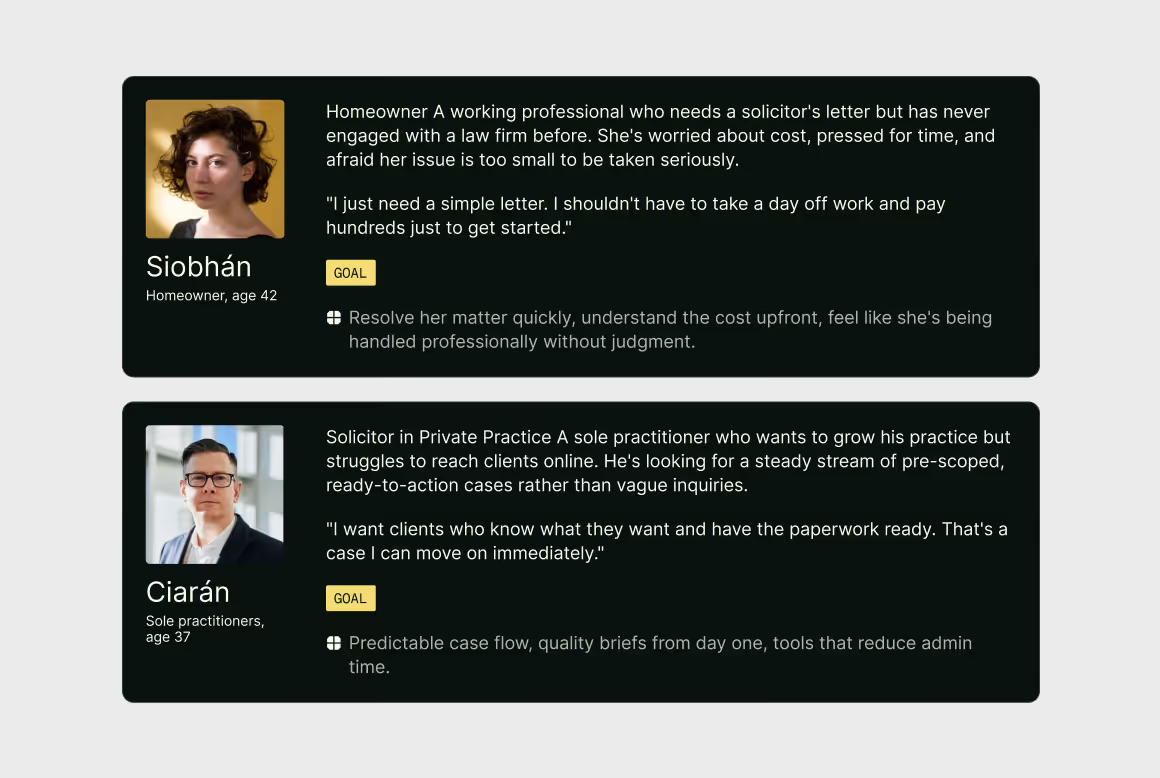
Two distinct personas were defined based on pain points gathered from social listening and founder insight. Each with different goals, motivations, and pain points.
03

Information Architecture & Wireflows
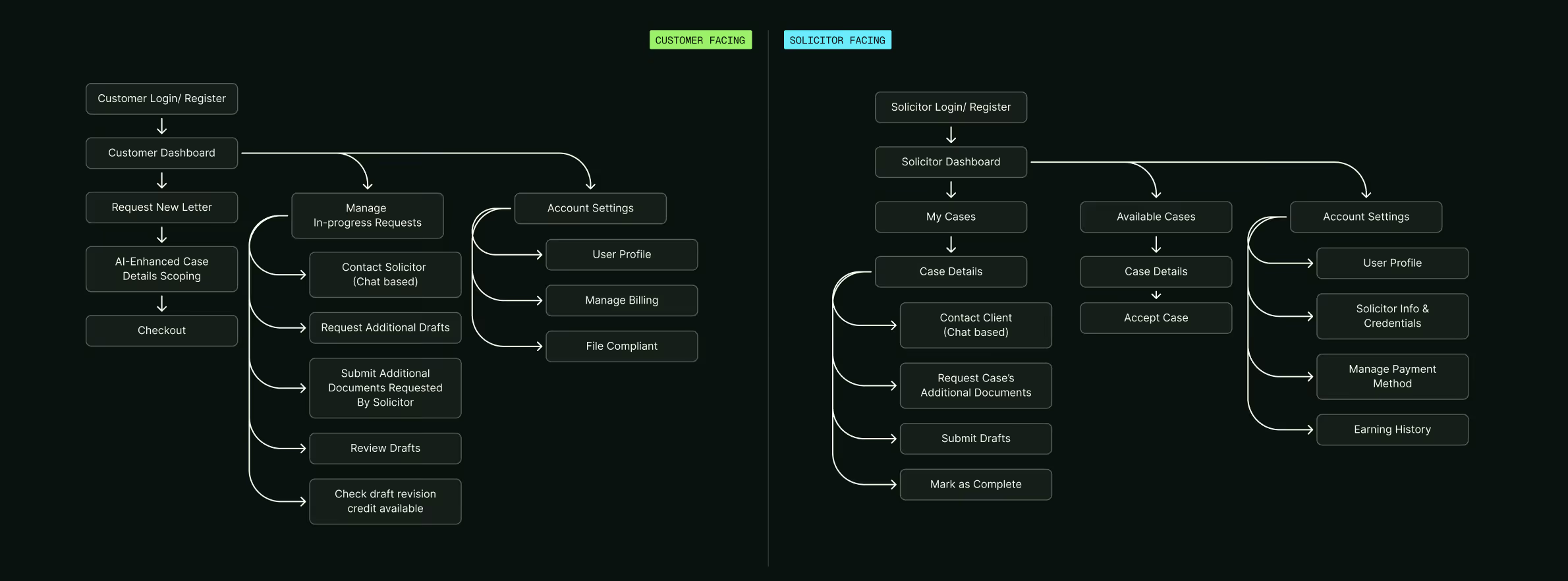
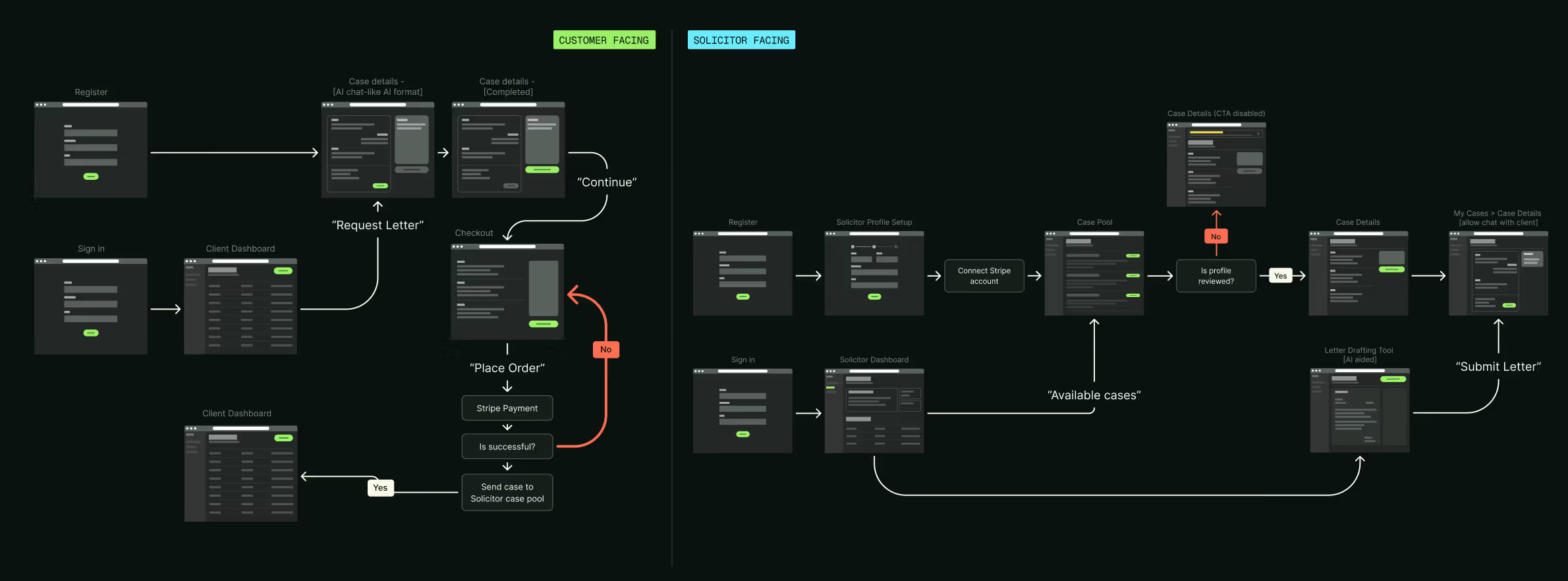
Before wireframes, I mapped the full IA to give structure to a product serving two completely different user types. The client and solicitor surfaces share the same platform but operate as separate, distinct experiences with no overlap in their core journeys.
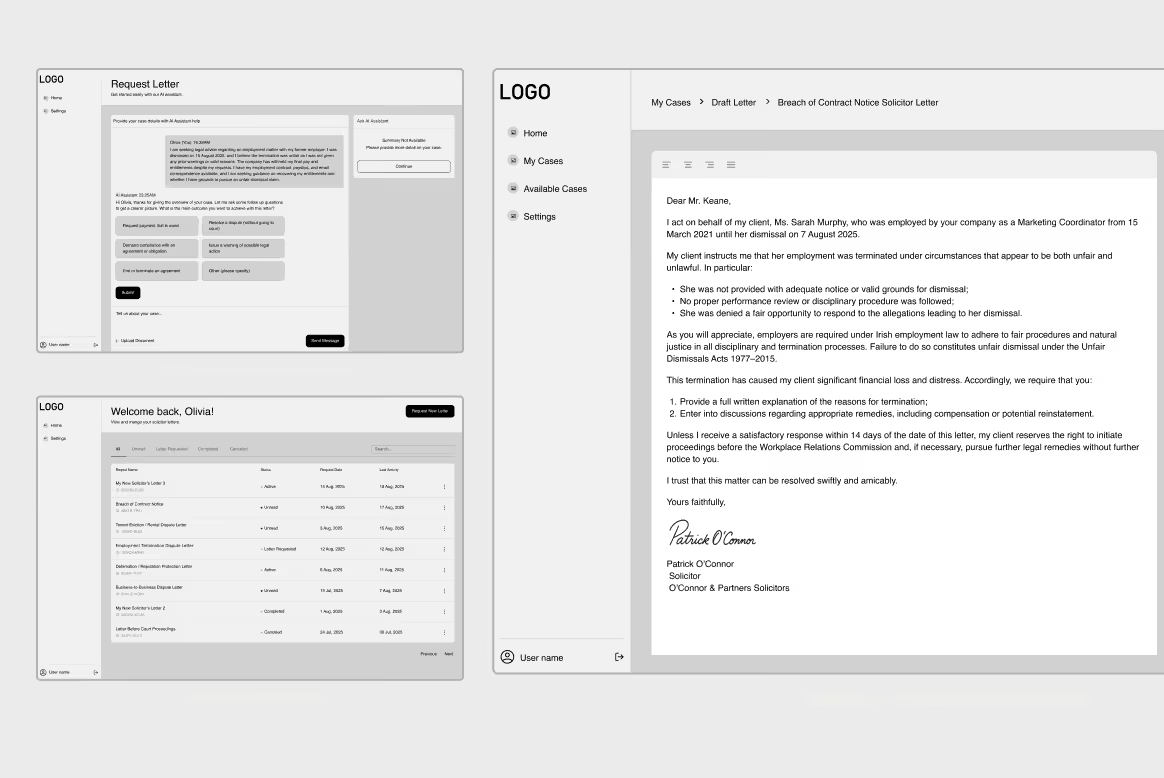
I combined low-fidelity wireframes with user flow logic into wireflows. Showing how each user type moves through the application,
04

Branding

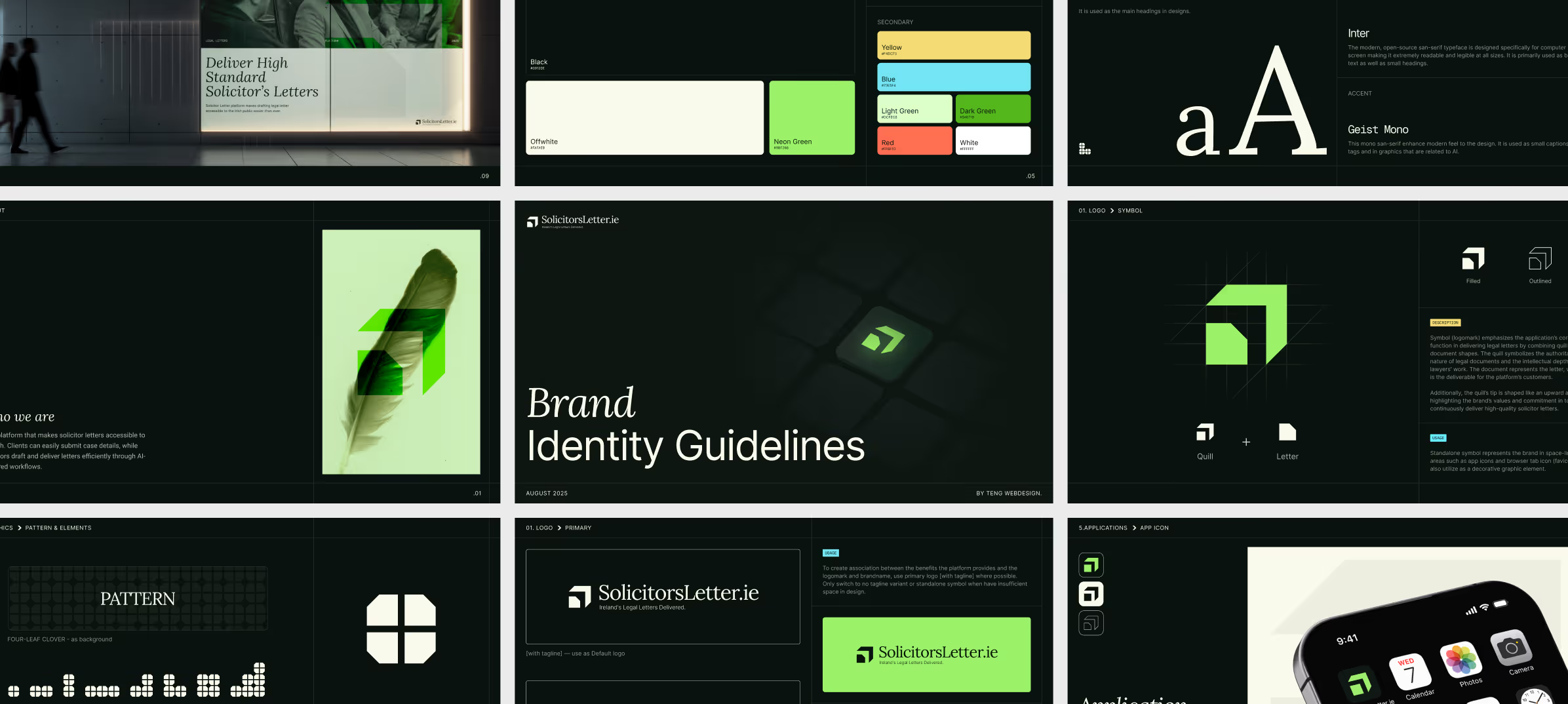
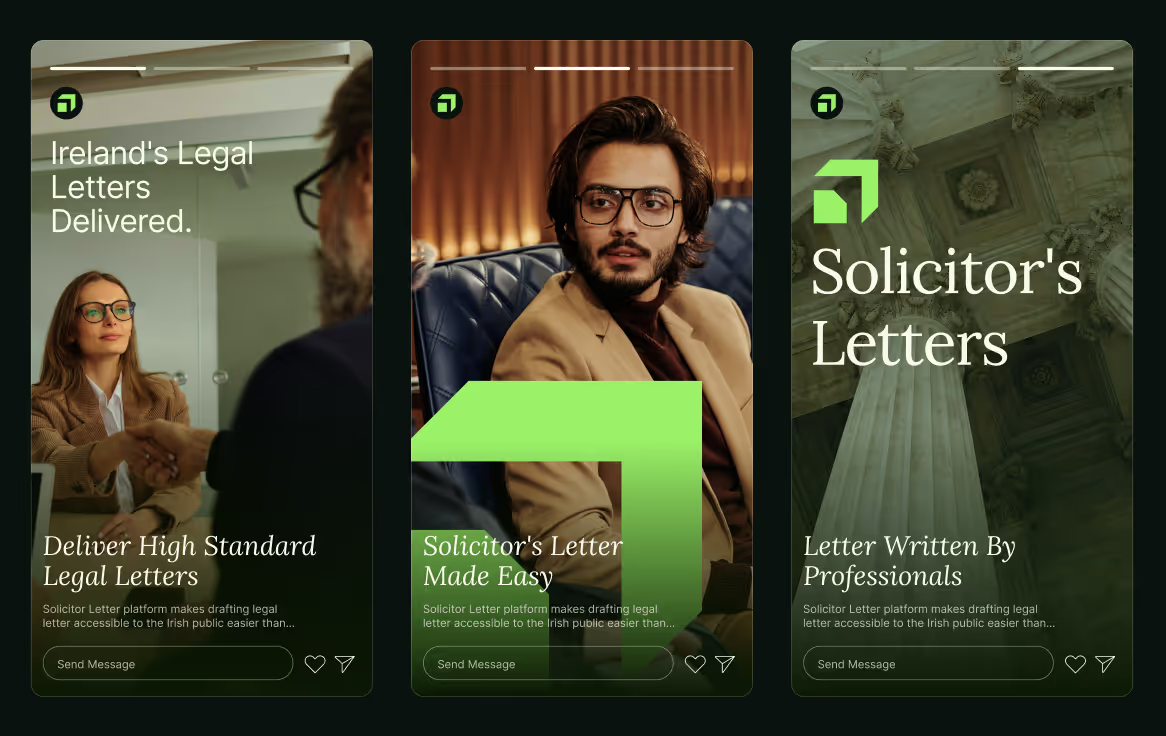
The brand needed to communicate authority and reliability without feeling cold or inaccessible. Visual direction had to feel trustworthy and professional while remaining approachable to people who have never engaged with a solicitor before.

Logo Mark

The mark combines a quill and a document (writing meets legal delivery). The form is geometric and minimal, balancing the authority of legal services with the accessibility of a modern AI-native digital platform.

Typography

Lora serif headings for contemporary modern feel, formal enough to carry legal authority. Paired with Inter for body copy, optimized for screen legibility at all sizes.

Colors

A dark-theme palette with high-contrast neon green as the primary action color, a nod to the Irish flag while signalling a tech-forward product. The dark base communicates premium and trust; the bright accent keeps interactions sharp and decisive.

05

Design

Wireframes focused on content structure and interaction logic, reviewed with the founder and developer early to surface technical constraints and align on scope before moving to high-fidelity.
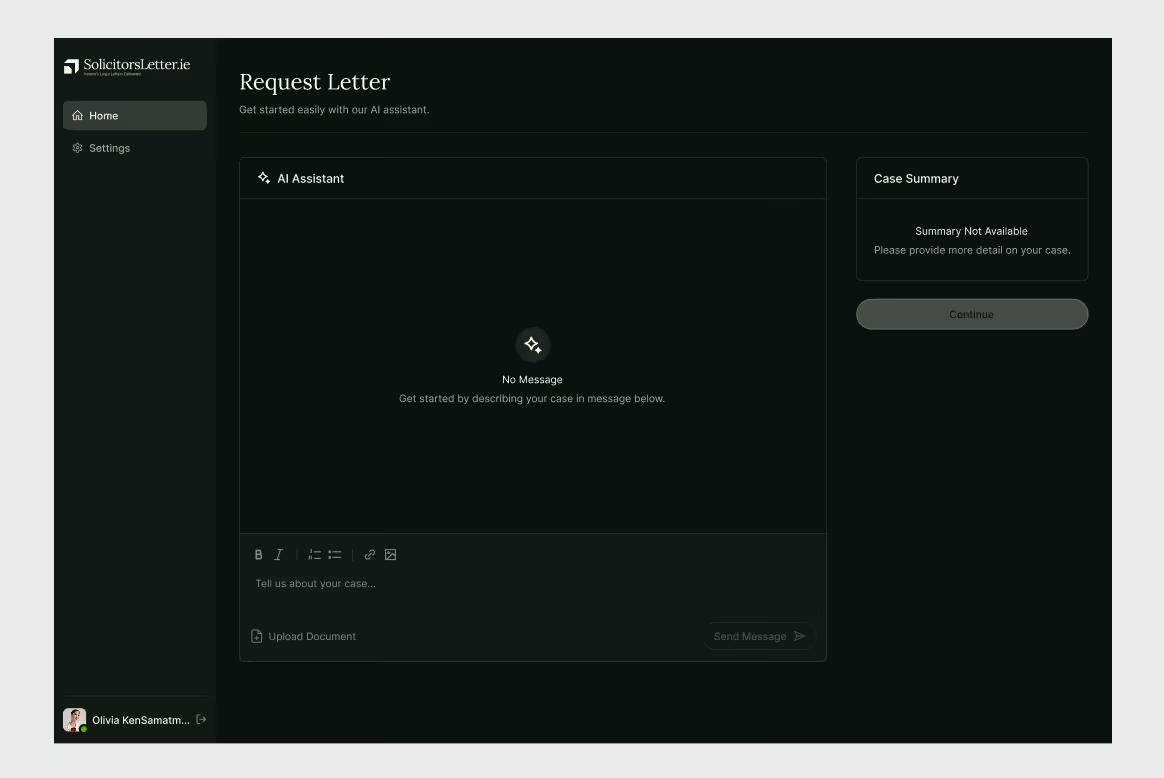
Early design — AI Chat screen (Request Letter flow)
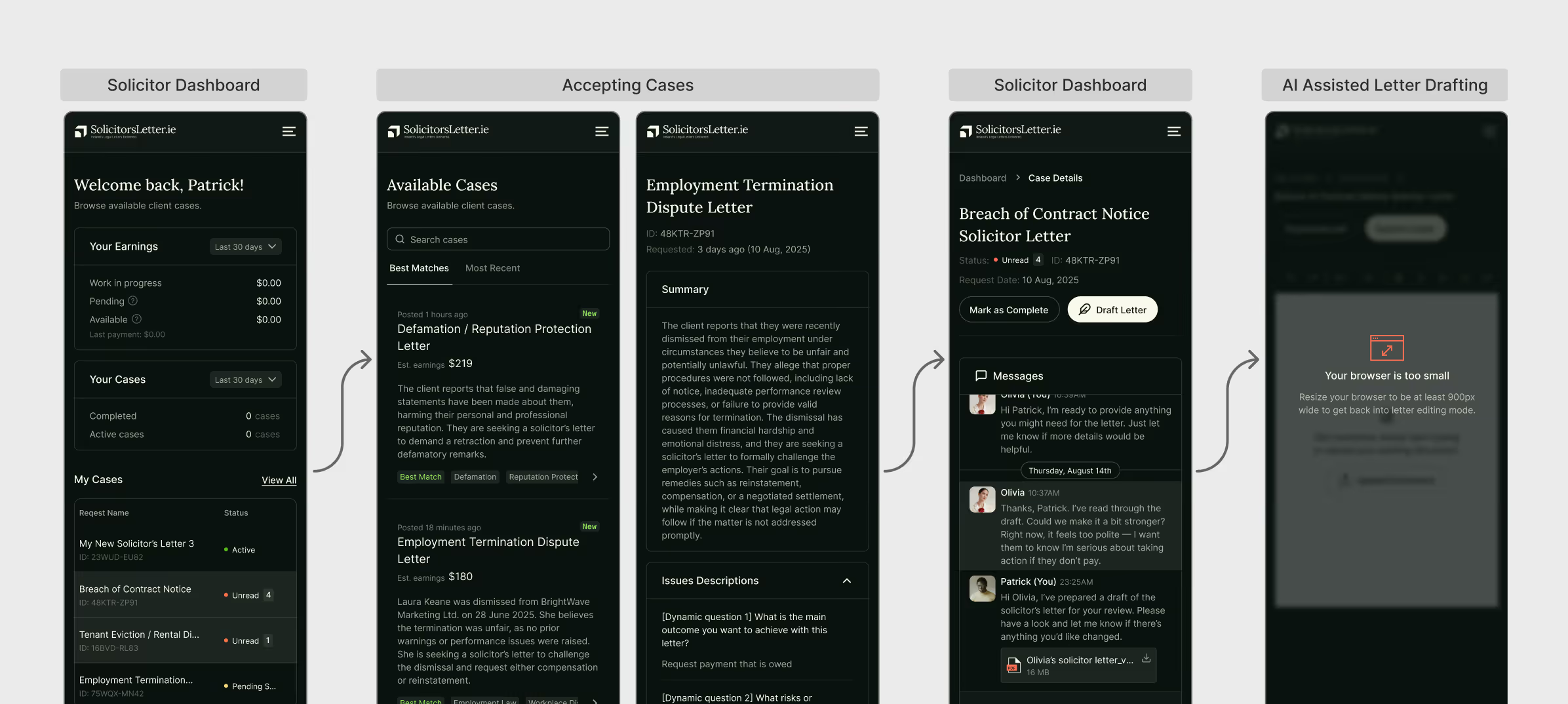
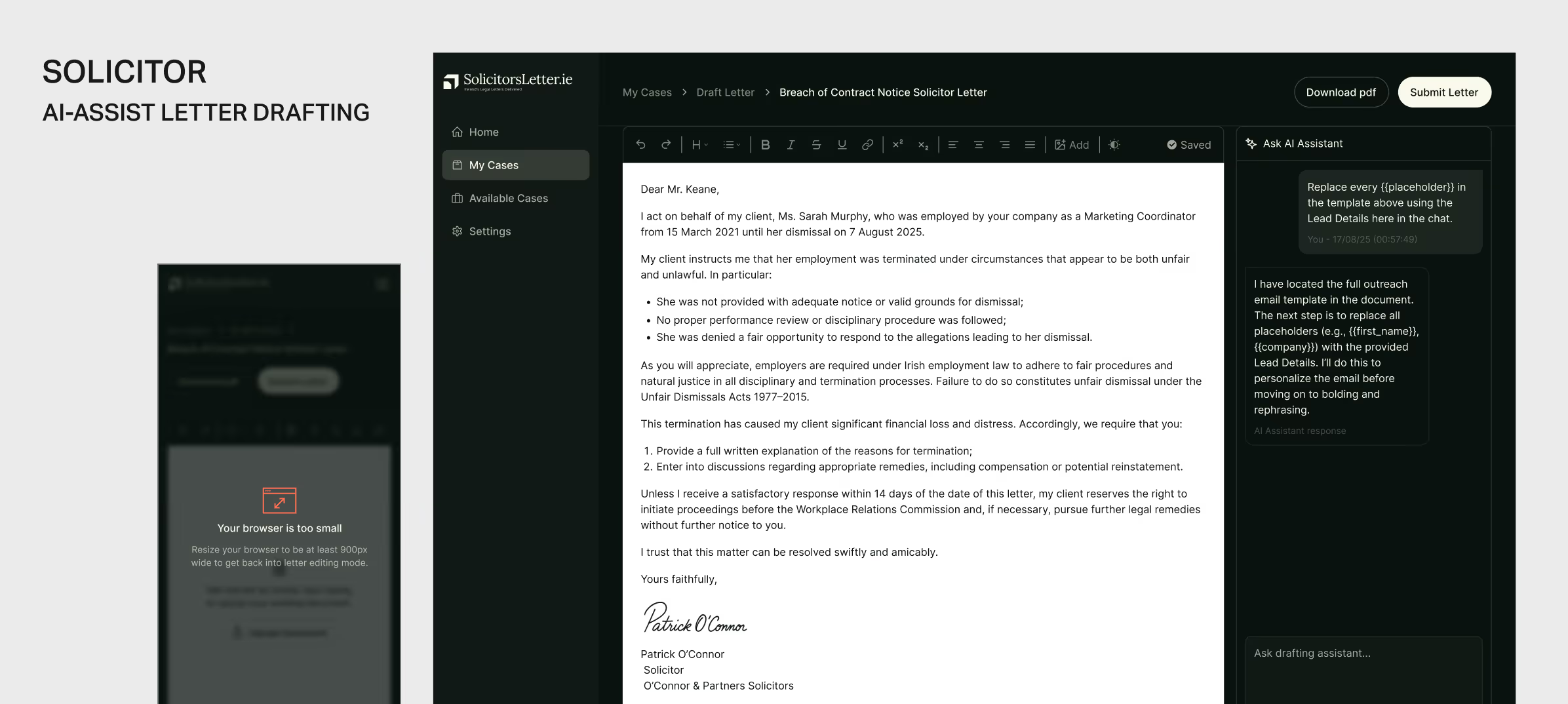
Solicitor flow at mobile breakpoint. Browsing available cases, reviewing the AI-generated case brief, and drafting the letter using the AI-assisted writing tool.
06

USABILITY Testing

The original design was built from research and founder insight — no direct user testing. After completing the UI, I ran moderated usability sessions to validate whether the product actually worked for first-time users. Specifically, the AI assistant chat screen that introduced high variability to the experience.
Research goal: Understand whether first-time users can navigate the Request Letter flow independently, trust the platform enough to share their situation, and feel confident their submission is complete.

Methodology

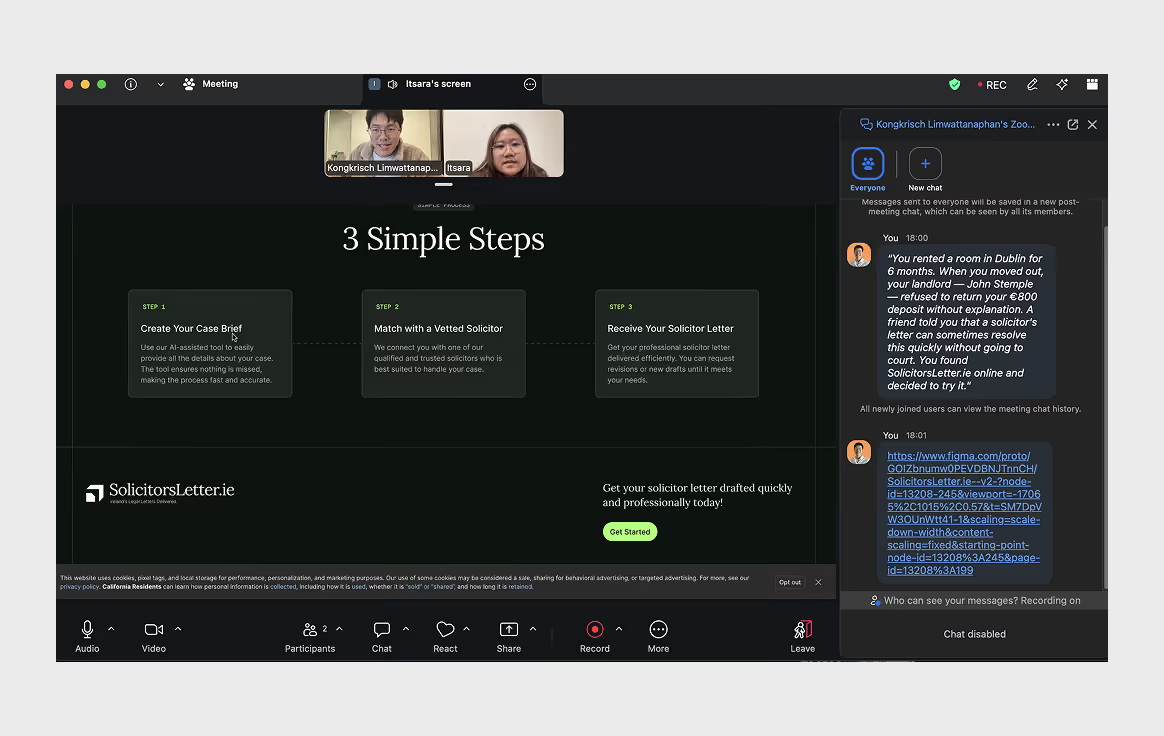
4 Moderated usability sessions via Zoom — one-on-one, 30–45 minutes each. I asked participants to think out loud as they interacted with a Figma prototype.

For the AI chat interaction, I pre-built multiple conversation states as branching prototype screens to simulate a genuine AI conversation without requiring live AI infrastructure during testing.
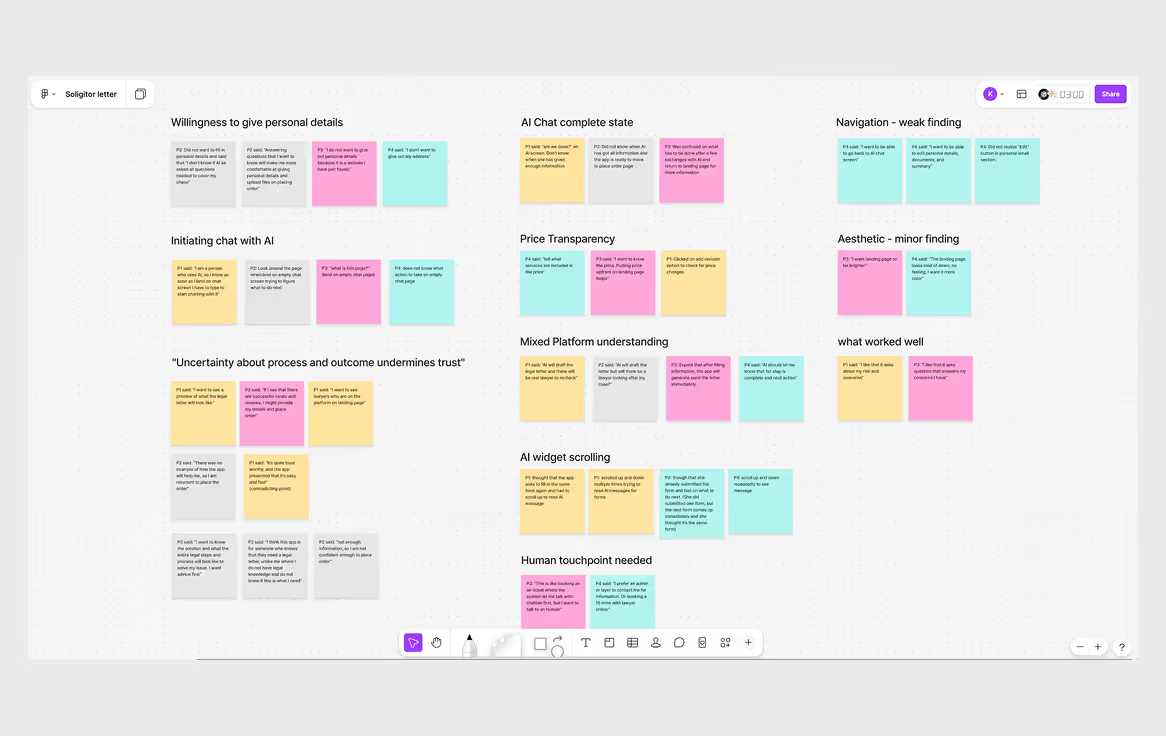
Affinity mapping

Observations and direct quotes from all sessions were grouped in FigJam. Seven insight themes emerged — spanning interaction friction, trust gaps, platform understanding, and what worked well.

07

Final Solution

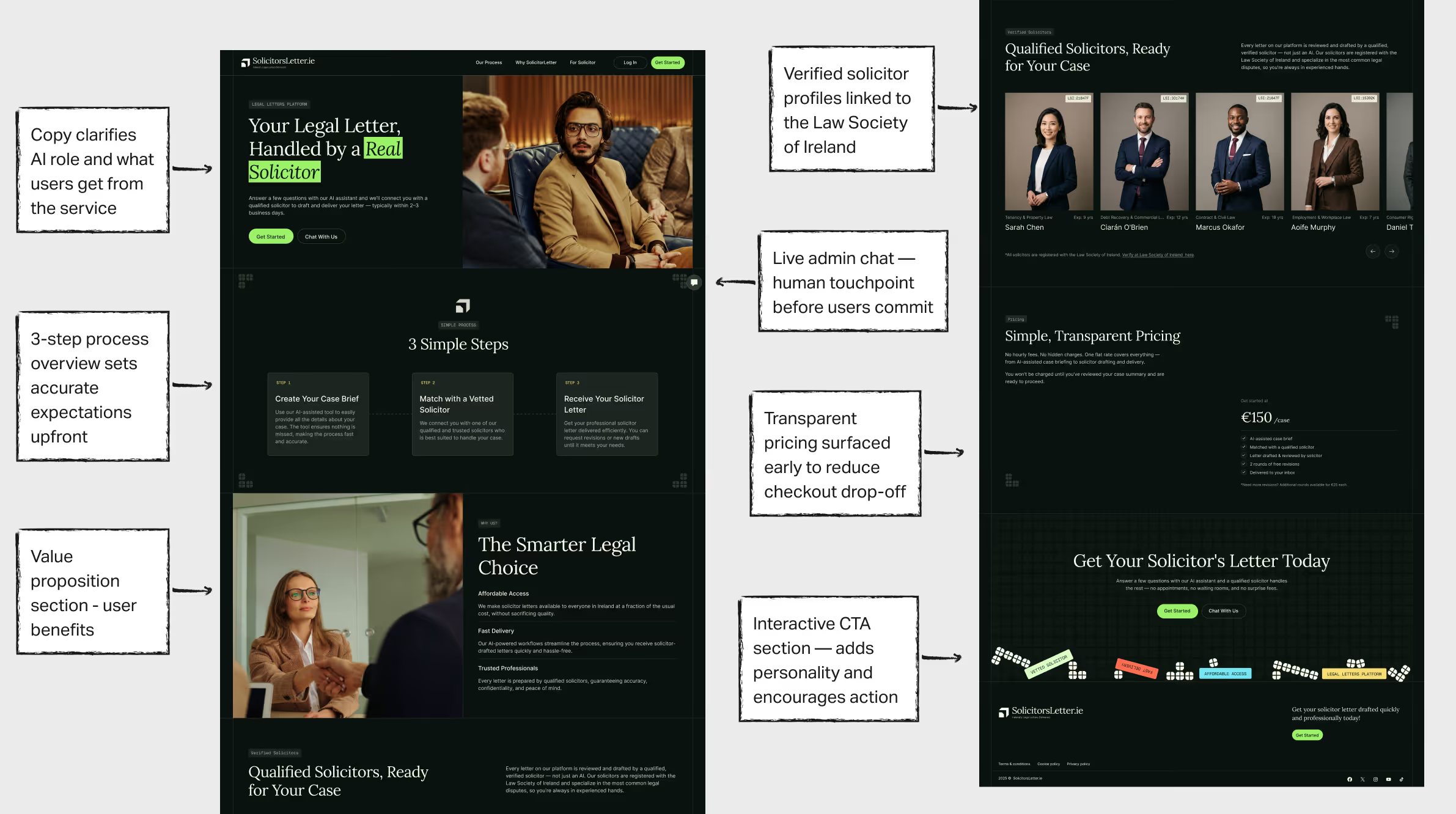
Landing page optimization: Redesigned to address trust gaps surfaced in usability testing.
Letter Requesting flow: The AI opens the conversation and guides the client through describing their situation. A progress indicator and clear role framing ("a qualified solicitor will review your case") keep the user informed and confident throughout.
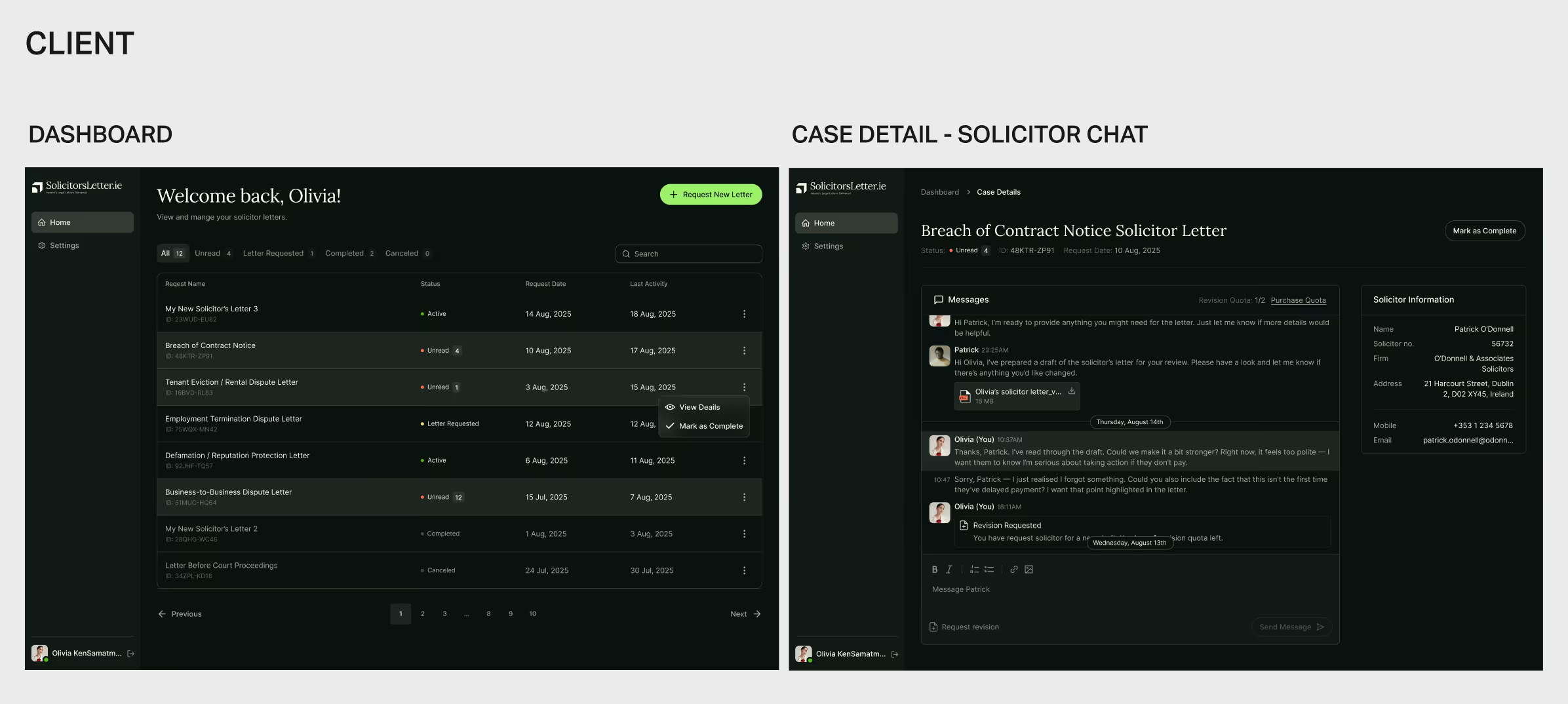
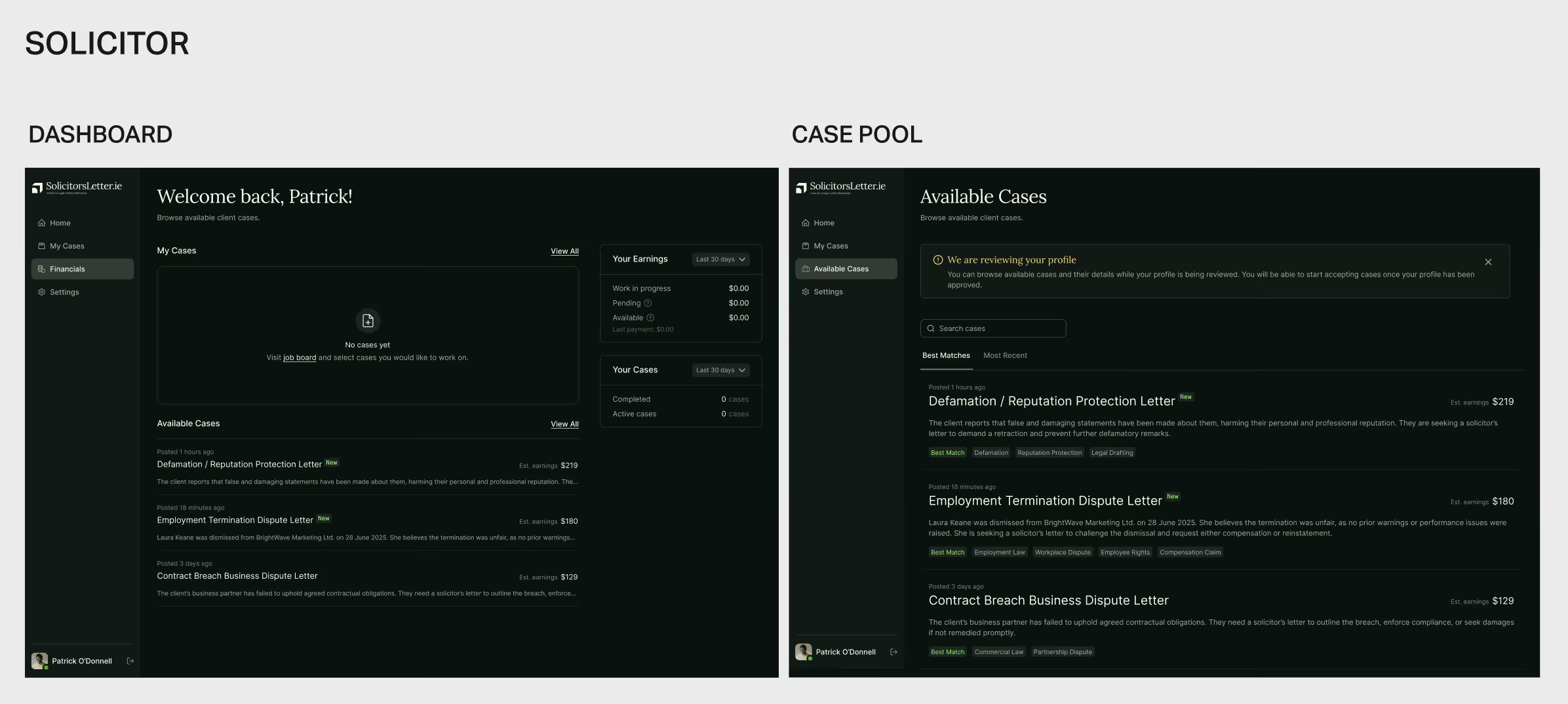
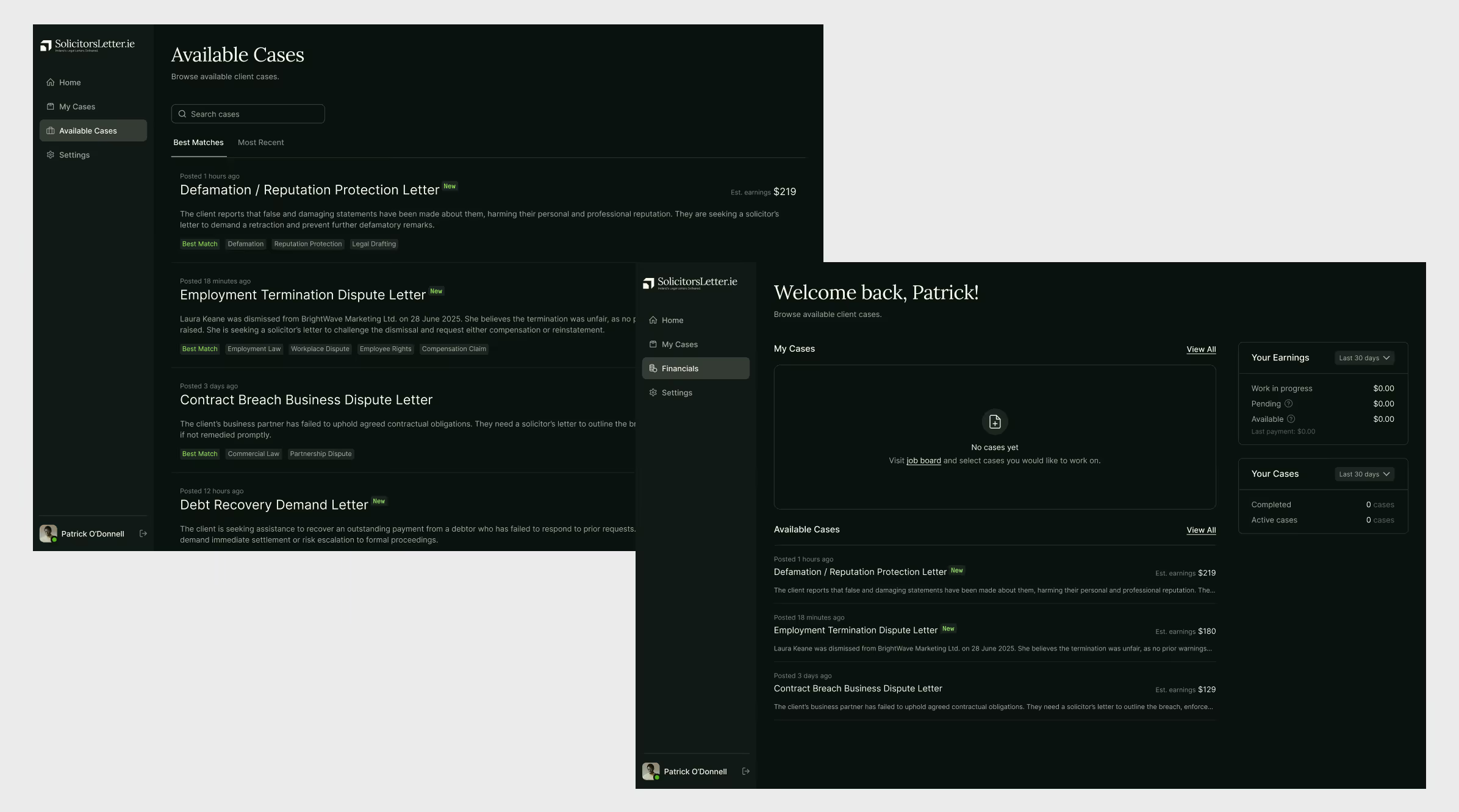
Solicitor module: Solicitor can clearly view their active cases, new cases in job pool, and their earnings directly in one dashboard. Each case listing includes an AI-generated brief summary and practice area tags, so solicitors can assess fit and decide whether to accept before committing.
08

Developer Handoff

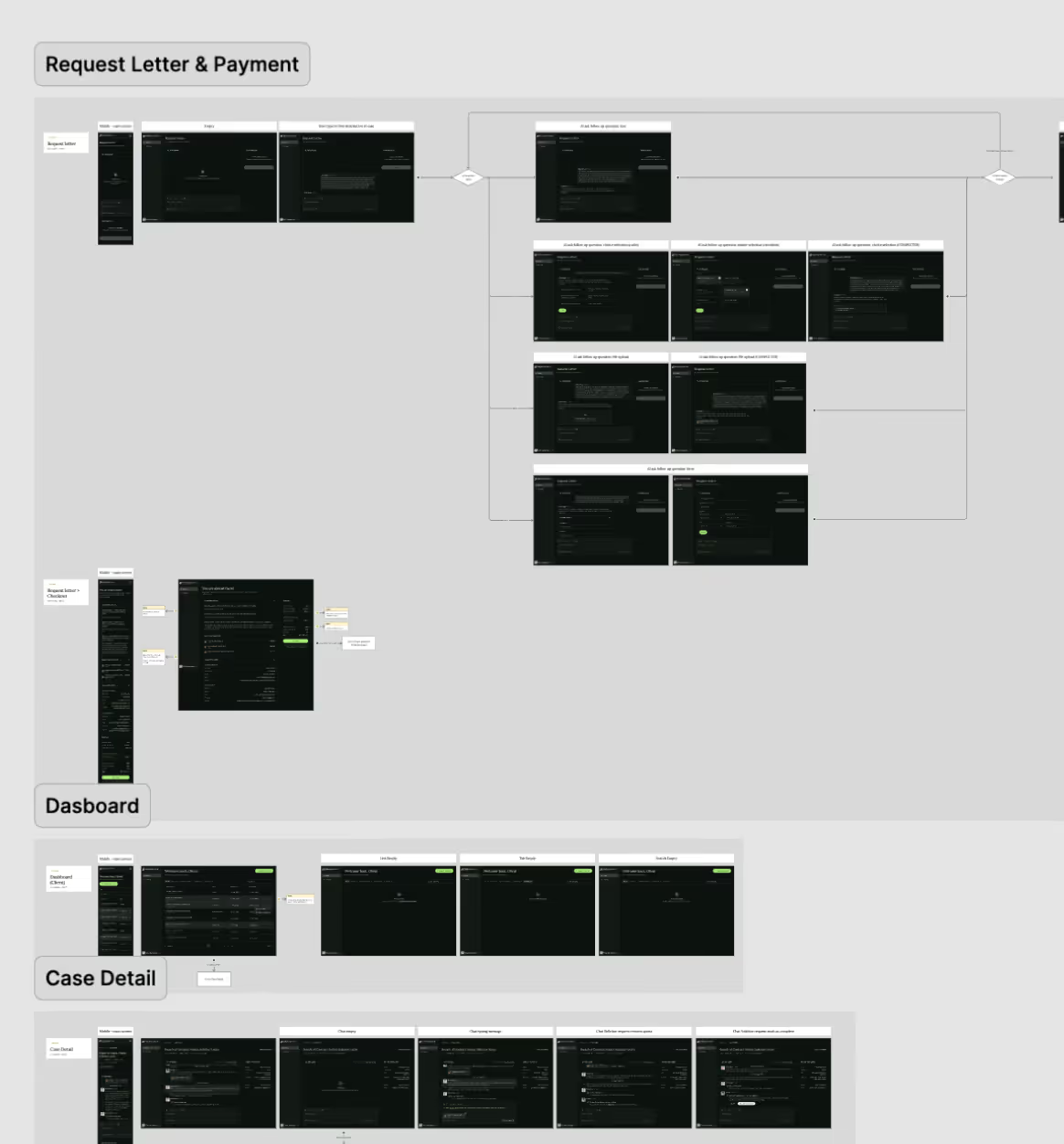
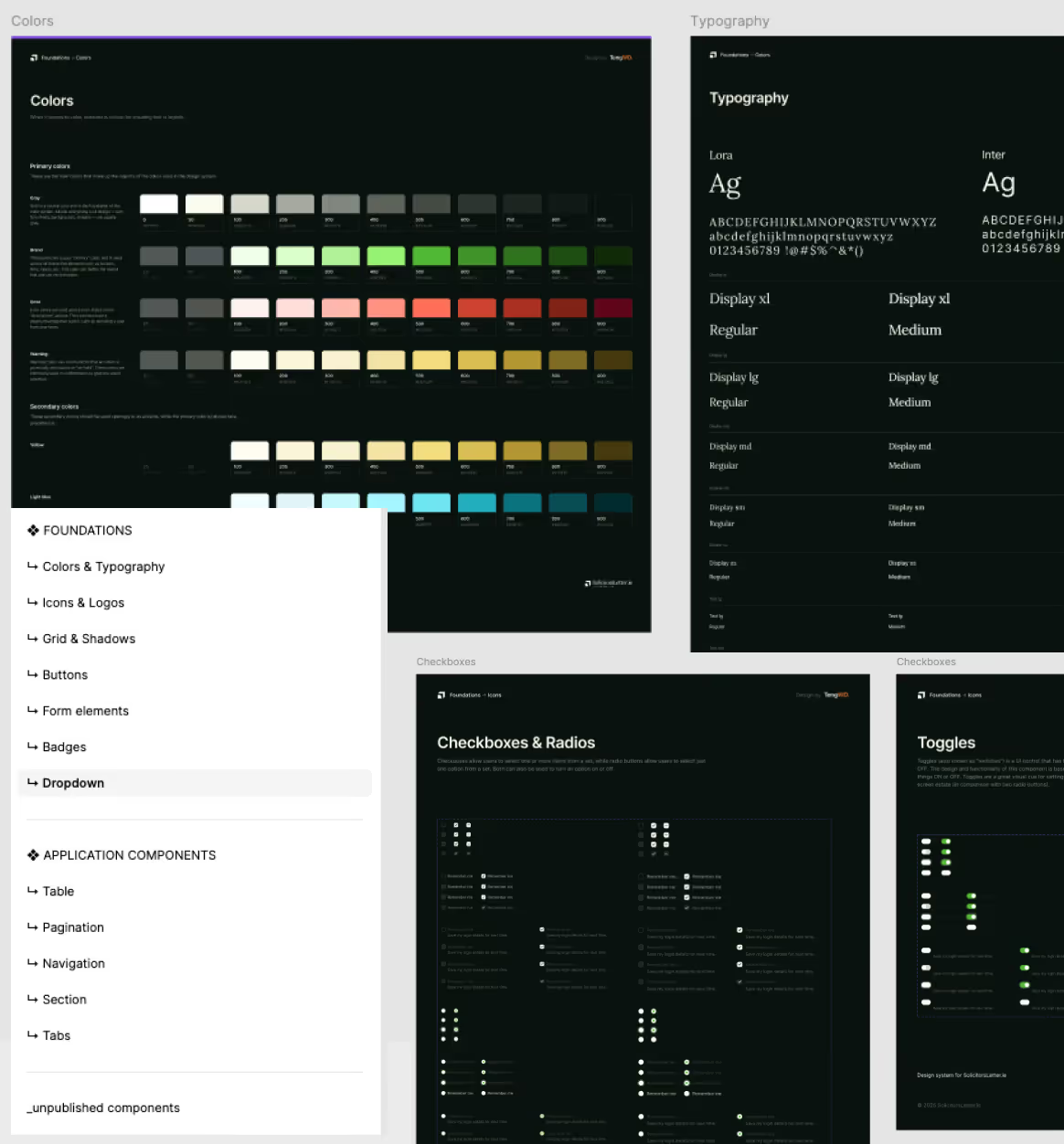
I structured the design file based on module and submodule to make it easy for develop to follow. Design system was built with atomic principle in mind that allow for visual consistencies and component reusability with annotation and interaction notes.
Each submodule is wrap in section with each screens arranged in flow format to further guide developer and designer in a logical manner.
Atomic principle was used to create components and similar components are grouped together with annotation.
09

outcome

A solo end-to-end engagement — from research through to a development-ready product. Usability testing surfaced distinct insight themes that directly shaped redesign decisions, turning an assumption-led MVP into a validated, research-backed product.
Product road map
  • Paid consultation booking: a 15-minute paid session with a verified solicitor for users who need guidance before committing
  • Expanded solicitor profiles: specialization, case history, and client reviews to strengthen platform credibility
  • Comparative usability study: follow-up testing to validate whether the redesign resolved the friction points identified
  • Solicitor onboarding research: a dedicated study on the solicitor registration and profile setup flow, not covered in this round
10

Learnings

  1. Users don't explore when they're confused — they freeze. Designing for openness isn't the same as designing for clarity. The chat screen gave users freedom but no direction, and freedom without guidance just creates friction. The real lesson was that good UX isn't about getting out of the user's way — it's about knowing exactly when to step in and lead.
  2. Users don't freely share personal details with a product they haven't learned to trust yet, especially in sensitive context like legal. Establish credibility, provide value, and make integrate human touchpoint before asking for these details. The commitment follows the trust, not the other way around.